Polish Community Centre (PCC)
The Polish Community Centre (PCC) in Hull is a voluntary, community-led organisation
Meet Our Trustees
About Us
The Polish Community Centre (PCC) in Hull is a voluntary, community-led organisation established in 2013 and run by an elected committee of trustees. We exist to support Polish and other migrant communities and their families across Hull, Yorkshire and the Humber, while building strong connections and mutual understanding with the wider local community. Our aims are to promote wellbeing, inclusion and integration by working closely with local authorities, voluntary organisations and residents, and by offering education, cultural activities, recreation and leisure opportunities that improve quality of life. We are committed to securing and managing community spaces, and to relieving hardship by providing advice and practical assistance to those in need. Although we are not a registered charity, we operate on clear charitable principles: all income is reinvested into our activities, decisions are made collectively, and any surplus is used solely for the benefit of the communities we serve.
Our Trustees
Anna Grzybowska
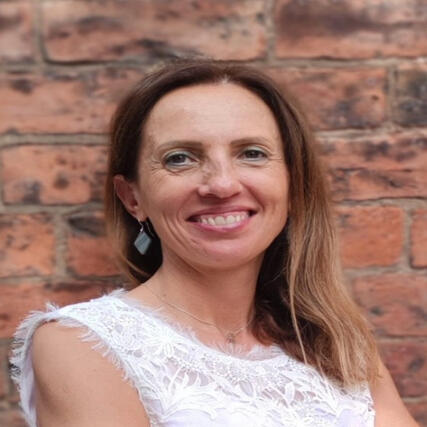
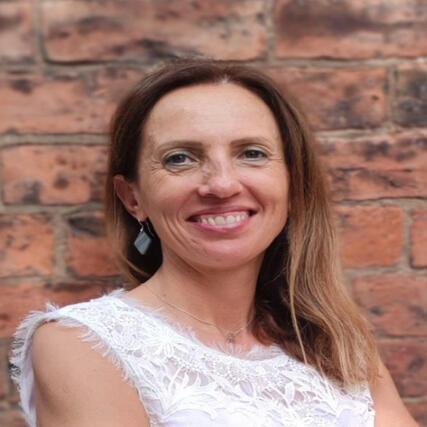
Anna Grzybowska is the public face of the Polish Community Centre. Her role focuses on management, new project and service development, fundraising and partnerships. She is qualified in therapeutic education, biology and therapy.
Anna's rich experience of working in the third and private sector, brings resourcefulness and raises high expectations to create the services delivered at the exceptional standard.
Magda Moses
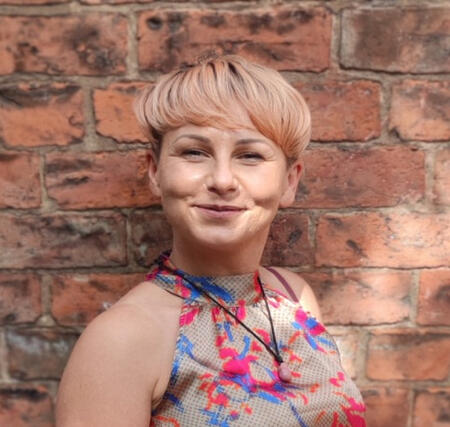
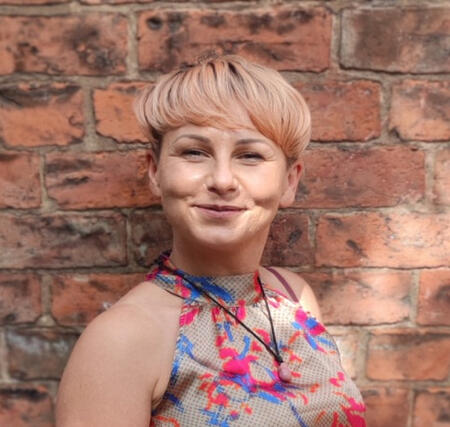
Magda Moses is the Treasurer of the Polish Community Centre in Hull and a facilitator of a wide range of creative and educational projects for the PCC. A qualified Polish language teacher, she teaches at GCSE and A-level and supports several Polish Saturday schools across the UK, as well as working with the Polish Educational Society in London.
Magda’s passion is to connect Hull’s diverse communities, building friendships and meaningful relationships across cultural, linguistic and religious differences. Through her work, she aims to show that, regardless of our backgrounds, we can live together in harmony, mutual respect and understanding.
Katarzyna Kulus
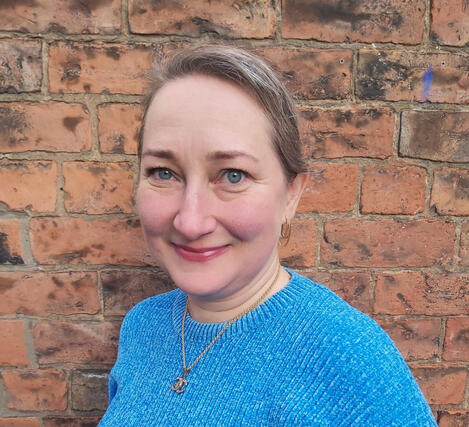
Katarzyna Kulus is a well-known and trusted member of the Polish community, with many years of experience supporting individuals and families in navigating everyday life in the UK. As Secretary of the Polish Community Centre, she provides practical, compassionate assistance across a wide range of needs.
Katarzyna supports Polish residents with face-to-face and telephone interpreting, including medical appointments, GP and hospital visits, school meetings, and contact with public institutions such as HMRC, Jobcentre Plus, and local authorities. She also assists with completing official forms and applications, including benefits, Universal Credit, Child Benefit, housing, and self-assessment.
Alongside this, she delivers English language lessons and conversational support, as well as mathematics tutoring and exam preparation, helping both adults and young people build confidence and achieve their goals. Known for her calm, solution-focused approach, Katarzyna is often the first point of contact for Polish people seeking clear guidance, reassurance, and practical help in challenging situations.
Her work is grounded in trust, accessibility, and a deep understanding of the realities faced by the Polish community in the UK.
MFL - GCSE Exams in Community Languages (Ongoing)
Funded through: Project income from partner schools and exam work.
Reach: Pupils in mainstream schools in Hull and East Riding taking GCSEs in Polish, Russian, Turkish, Farsi, Mandarin and Portuguese.
Through the MFL work, the Polish Community Centre became a key partner in organising and delivering GCSE exams in community languages. We helped schools to set up Polish GCSEs and extended this to other languages, including Russian, Turkish, Farsi, Mandarin and Portuguese. We also trained new examiners, so more pupils can sit exams in the language spoken at home. This supports young people’s identity, raises attainment and gives their language skills proper recognition in the school system.
Sound of Peace (2025–2026)
Theme: Mental health / Women’s wellbeing / Community recovery
Location: Hull and East Riding (HU8 8PA)
Funder: National Lottery Community Fund (application submitted)
Short subtitle
A safe, gentle space for women to heal after the trauma of the 2024 riots.
Project profile (visual meta row)
• Reaches: 20 women in 1:1 deep-support sessions; 100+ women in circles
• Format: 1:1 wellness sessions + women’s circles with sound baths
• Duration: Approx. 12 months
• Community involved: Eastern European, African, Kurdish and Arab women
What the project does:
Sound of Peace was created directly in response to the fear and distress felt by ethnic minority women in Hull after the 2024 riots. Many were terrified, isolated and left without a place to speak openly about what happened. Through long, honest conversations and a community survey, women told us they needed calm, safety and a place to breathe again.
The project has two strands:
1. Twenty deep 1:1 support sessions
Each person receives up to four hours of restorative work: balancing practices, reflective conversations, empowerment sessions and guided mindfulness. These sessions create a private, steady space for women to process fear and regain a sense of control.
2. Twenty women’s circles
Each circle runs for at least two hours. Every session begins with a grounding sound bath, followed by open conversation and mutual support. These circles help rebuild trust, belonging and connection after a period of intense community anxiety.
Community involvement:
More than 50 women took part in face-to-face conversations, nearly 200 were reached through online engagement, and 23 completed a detailed survey. Their voices shaped every choice: the format, length, topics, delivery style and the decision to make sound baths a core element. The project belongs to them.
Expected outcome:
Women experiencing fear, anxiety or isolation will have a safe place to talk, rest and heal. The project helps rebuild community confidence, strengthens relationships across cultures, and supports mental wellbeing in a gentle and accessible way.
Inclusive Symphony - Rap & Mental Health in Schools (2024-2025)
Funded through: Project income in partnership with National Initiative for Creative Education.
Reach: Pupils from two secondary schools in Hull (Sirius North and Kelvin Hall).
In Inclusive Symphony, we worked with National Initiative for Creative Education to bring rapper Chiedu Oraka into two local secondary schools. He ran a series of mental health workshops with pupils, using music and lyrics to talk honestly about feelings and stress. The project ended with recording three original songs together with the young people, giving them a voice and something they could be proud of.
JoyfulHeart 2 - Community Sport & Health Programme (2023-2025)
Funder: Sport England (ESC Lottery Fund).
Reach: Nearly 72 regular participants in sport sessions, plus over 40 more people who joined the organised walks. Participants came from Poland, Ukraine, Romania, Lithuania, Russia, Afghanistan, Syria, Hong Kong, China, Kurdistan, India and Colombia.
JoyfulHeart 2 built on the first project and expanded it into a weekly sport and wellbeing programme. Each week there were sessions for seniors, a running club, mixed workouts (yoga, Pilates, circuits, weight training) and a wellbeing group. The focus was on people with low activity levels or long-term health issues such as diabetes, high blood pressure, high cholesterol, overweight and alcohol use. The outcome is a diverse group of people who move more, understand their health better, and feel part of a welcoming community in local parks and community venues.
PATHWAY2GCSE - After School Revision Club (from 2024)
Funder: Two Ridings Community Foundation.
Reach: Consultation with over 100 parents and young people to design the club; ongoing weekly groups for Year 10 and 11 pupils.
PATHWAY2GCSE is an after-school club for Year 10 and 11 pupils from migrant families, especially those who arrived in the UK shortly before their exams. The project offers weekly English and Maths revision with bilingual qualified teachers, so pupils can understand the curriculum and ask questions in a language they are comfortable with. Parents told us they struggle with homework because of language, long working hours and unfamiliar school expectations, so the club takes some of that pressure off. The project is set up to improve GCSE results, widen college options and support better career choices for these young people.
JoyfulHeart - Wellbeing for Women, Young People and Families (2023-2024)
Funder: Sport England (ESC Lottery Fund).
Reach: Over 40 asylum-seeking children, plus a regular group of women and families.
JoyfulHeart was created for BAME young people, women and their families. Children joined weekly wellbeing activities and trips, including sport sessions at Rock Up and the trampolining park. Women’s circles became cross-generational meetings where people could talk, practise yoga and meditation, and slowly rebuild their mental health. Many women describe leaving the house again, making friends, feeling less alone, and starting to see themselves as “strong” and “enough.”
CG5 – Introduction to Catering and Hospitality (2020–2022)
Funder: HLC – Community Grant 5.
Reach: 20 adults from Black and Minority Ethnic (BME) communities in Hull.
CG5 was a practical course in catering and hospitality, run in partnership with Izabella Restaurant. It gave people pre-employment training, work experience and soft skills directly linked to real jobs in the sector. In the first phase, 7 participants moved into full-time work, 2 started self-employment and 2 went into further education (including a master’s degree and a stewarding/event course). In the later phase, the project met its target by supporting 3 people into work and 3 more into further training.
Collective Mind & Connective Mind (2020-2022)
Funder: Grants including The National Lottery Fund (Connective Mind) and HLC – Community Grant 5.
Reach: The projects delivered 40 one-to-one CBT sessions, 22 art therapy group sessions and ongoing welfare appointments for children, young people and adults.
Collective Mind and its follow-up, Connective Mind, were mental health projects for migrants in Hull, including EU migrants, looked-after children, unaccompanied asylum-seeking children and refugees. They combined psychological first aid, one-to-one CBT in Romanian and English, weekly art therapy groups and welfare support (benefits, food bank, childcare, hospital, dentist and GP appointments). These projects supported families living with autism, the effects of sexual abuse, cannabis addiction, depression, anxiety, self-harm, domestic abuse and work-related stress. People received help in their own language and were guided towards the right local services at a very difficult time.
New Community Grant Project – ESOL & Wellbeing (2022)
Funder: HLC – Community Grant 5.
Reach: Groups of Turkish, Romanian and Polish-speaking adults attending ESOL, wellbeing classes and a 10-week course.
This project started in February 2022 to respond to everyday needs of new arrivals. It offered ESOL classes, open wellbeing sessions, a 10-week structured wellbeing course and interpreting during welfare appointments. People could come with language barriers, get support in Turkish, Romanian or Polish and leave with clearer information, better English, and more confidence to deal with services.